Lovable is a good fit for starting a new web app inside a guided, managed environment. Replit is worth considering when you also need to bring in existing code, inspect project configuration and work with a broader development workspace.
Both can help turn a description into a running application. Both also bring hosting into the workflow. The practical choice depends on what you already have and how involved you want to be when something needs changing.
If the job is simply to explain a product and collect enquiries, a full application may be unnecessary. Decide whether visitors need public information, private accounts or both.
What Lovable is best at
Lovable suits a founder or small team describing a new application through the tasks people need to complete. A useful brief might ask for a shared project board with assigned work, uploaded files and different views for staff and clients.
The built-in backend supplies common application services, including authentication, database storage and functions. Hosting sits alongside that workflow. This reduces the number of systems you need to choose before seeing a working first version.
Its preview editing tools help with specific feedback. You can point at a screen element, annotate a layout or change text inline. For someone unfamiliar with frontend code, that can make revisions easier to communicate.
The main limitation is how projects begin. Lovable uses its own selected stack and does not let you import an existing GitHub repository as a new project. Its current documentation distinguishes newer TanStack Start apps from older React and Vite projects. If preserving a particular framework is important, check that requirement before building.
You can keep Lovable-created code in a repository and continue outside the platform. However, moving the whole application involves more than source files. Data, uploaded assets, secrets and service connections need their own migration plan.
Lovable is therefore a reasonable choice when you accept its starting conventions and value the connected app-building experience. It is less suitable when your first requirement is to open a finished Astro site and retain its structure.
What Replit is best at
Replit combines AI assistance with a development environment where you can work on project files and configuration. Its documented imports include GitHub repositories and ZIP archives. That makes it useful when a project already exists, including one exported from another builder.
For a business with an existing site, this gives you a practical trial: import a copy, get it running and ask for one bounded change. You can judge whether the environment fits without first rebuilding every page.
Replit’s Agent can help implement features and debug problems, while project tools expose settings such as secrets and run commands. Git integration supports tracking changes and moving code between Replit and GitHub. Collaborators can work in shared projects, with access and allowances depending on the plan.
Publishing creates a deployed version separate from the development preview. Replit documents several deployment types, including static hosting and options for applications that need a running server. That distinction matters: a collection of public pages and a constantly running backend do not consume the same resources.
The tradeoff is the number of choices you may encounter. An imported app can require configuration changes, and a successful import does not bring every external service or secret with it. Replit can help with that work, but you still need to understand what is running and what it costs.
Its AI billing includes allowances and credits, with paid work using effort-based pricing. Credits can also cover cloud services. Treat a complex feature request as potentially different in cost from a short copy correction.
Lovable and Replit compared
| Question | Lovable | Replit |
|---|---|---|
| What you get | Guided AI web app builder | AI building within a development workspace |
| How you edit | Prompts and preview-based editing | Agent requests, project files and visual tools |
| Code ownership and export | User-owned output with repository sync | Source accessible through files and GitHub workflows |
| Hosting | Managed hosting connected to the builder | Publishing with several deployment types |
| Backend | Integrated Cloud services and external connections | Database services and configurable app runtime |
| Pricing model | Shared workspace credits for building and running | Allowances, credits and effort-based paid AI work |
| Existing code | No external repository import | GitHub and ZIP import, subject to compatibility |
| Best for | New apps that fit Lovable’s conventions | Existing projects and more hands-on development |
Which should you pick?
Choose Lovable if you are starting with a product idea and want a guided path through common web app features. Write down the rules for each user role before generating screens. A staff dashboard and a client dashboard may look similar while requiring very different permissions.
Choose Replit if you have files to preserve or want to keep development and runtime configuration close together. It is also a reasonable option when a project that began elsewhere needs further work in a shared browser workspace.
For either tool, test the whole task. Create a sample record, refresh the page, sign out, return and check whether the correct person can still see it. That will reveal more than comparing the visual polish of two dashboards.
Compare costs over both phases of the project. Building uses AI capacity; operating the finished app uses hosting, storage and other services. Both platforms connect credits with multiple kinds of usage, so a subscription headline alone will not describe the eventual bill.
Consider the next maintainer too. If a developer will take over, keep the repository current and document service dependencies. If a business owner will maintain the app, have them try a realistic update before the initial builder hands it over.
Start from an Astro template
A finished Astro template can cover the public website while you focus application work on the features that need it. Existing layouts, responsive behavior and accessibility basics can reduce the prompts and credits spent rebuilding familiar pages. Savings depend on the amount of customization and the tool’s usage model.
Replit can bring in the Astro project through a repository or ZIP import. Check the project’s Node dependencies, run command and build output first. A static site and a site with server features may need different publishing settings.
Lovable has no documented existing-repository import. Use an Astro-capable coding tool for the theme, or maintain the Astro marketing site separately from the Lovable app. Keeping two projects is worthwhile only when their different editing needs justify it.
Spec and Pocket suit product and app marketing. Signal suits a service business, while Syllabus supplies course presentation pages. A course website design still needs an appropriate system if you require student accounts or tracked progress.
Each Peachfin theme supports Markdown and an optional EmDash CMS, so later content changes do not require another AI prompt. Treat the theme as the starting point and recheck forms, mobile layouts and keyboard behavior after editing.
The Astro Pass includes 40 Astro themes for $99 as a one-time payment, no subscription, unlimited client sites and optional EmDash CMS. Hosting, application services and AI usage remain separate costs.
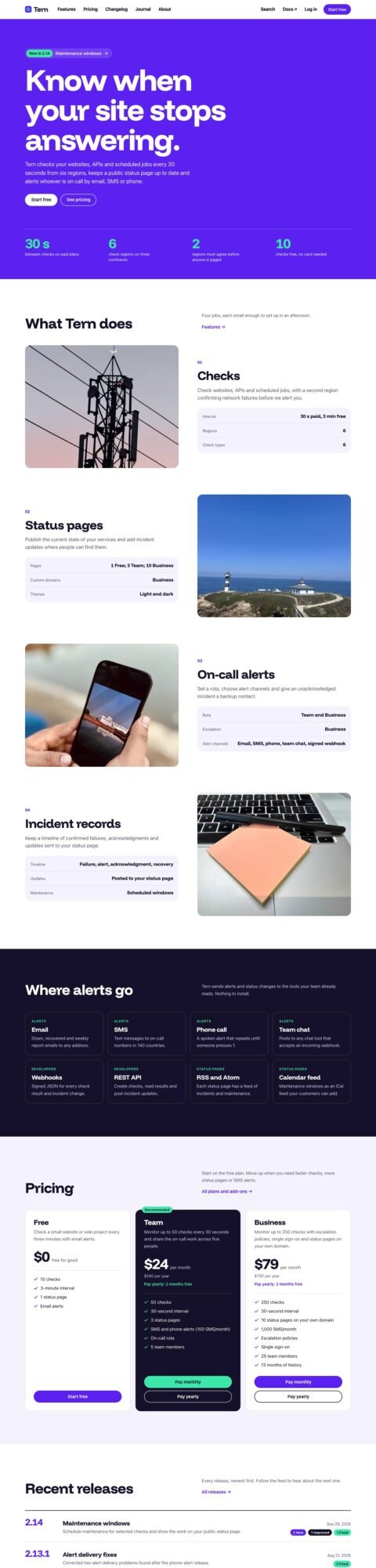 SpecProduct sites with features and plans
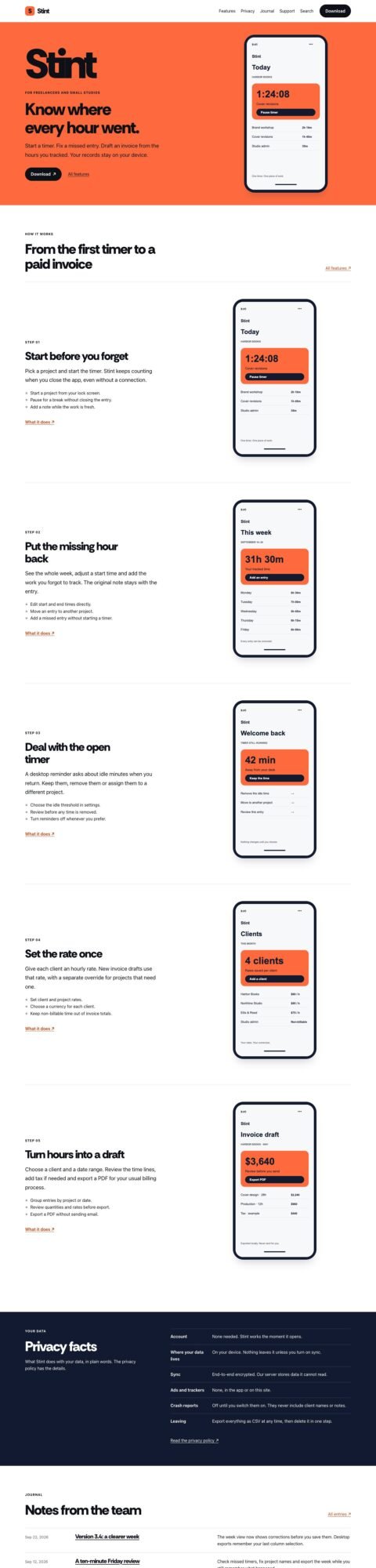 PocketApp landing pages with device tours
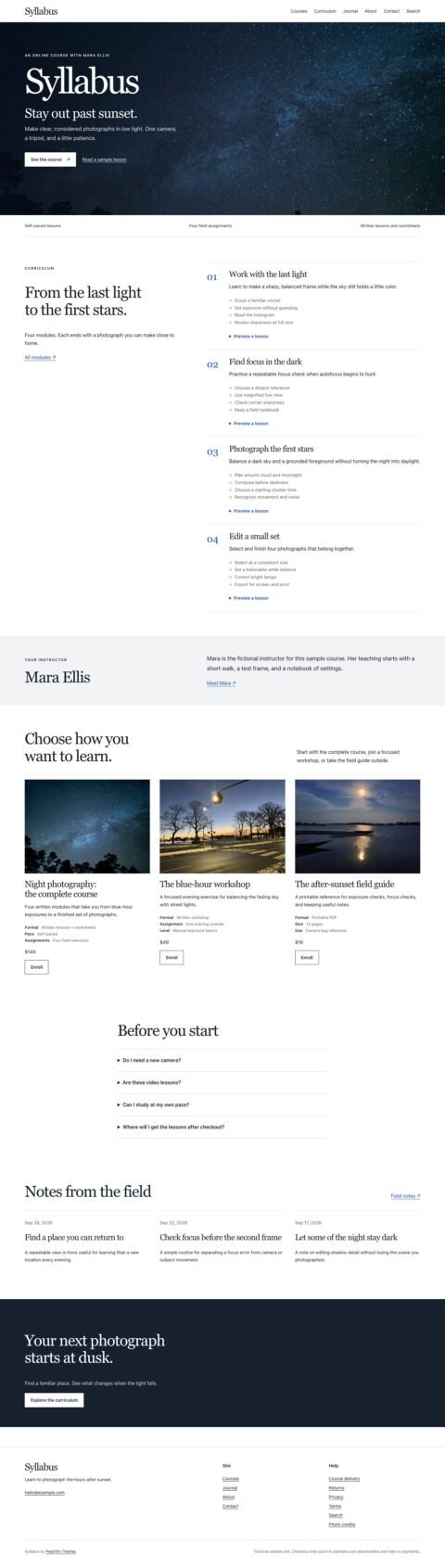 SyllabusCourse sites with curriculum and lesson previews
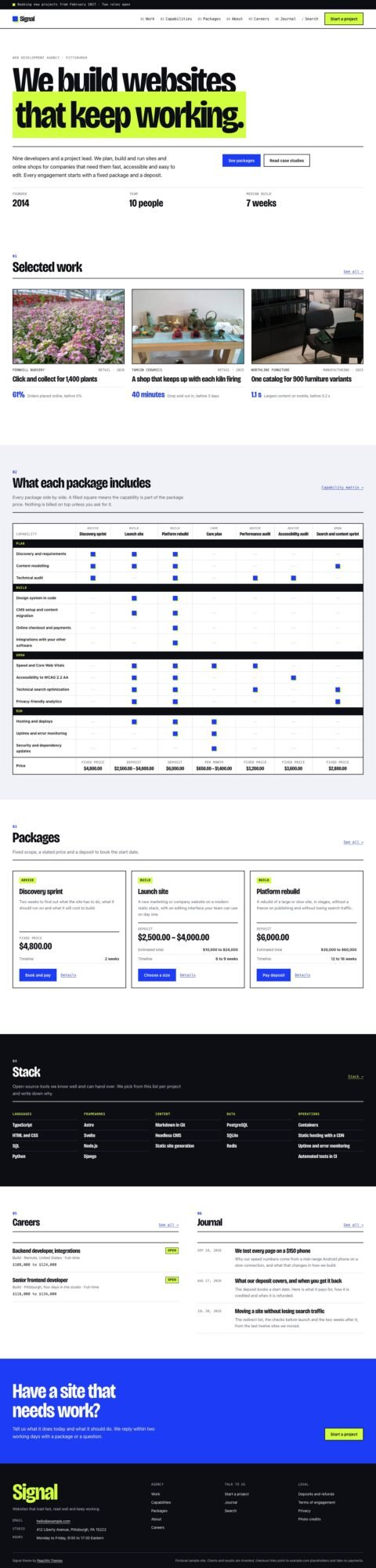 SignalAgency sites with service packages
FAQ
Can I move a Lovable project into Replit?
Replit documents a path through a GitHub repository exported from Lovable. Existing database records and secrets need separate handling, so plan and test the migration.
Which is better if I already have an Astro website?
Replit is the more direct option in this comparison because it supports existing project imports. Confirm the specific site’s dependencies and deployment needs.
Does hosting cost the same as building the app?
They are different activities, even when the platform draws from a shared credit balance. Check AI usage alongside deployment, database and storage consumption.
Peachfin is not affiliated with Lovable or Replit.